
Optimized Management and Distribution of Rice Production: A Comprehensive Plan ,This document outlines a strategic plan aimed at enhancing the efficiency and sustainability of rice production and distribution. It emphasizes scientific and standardized practices to maximize rice yield, minimize operational costs, and reduce environmental impact. The plan covers rice planting optimization, crop rotation, and advanced distribution systems, ensuring timely delivery to meet global demand while maintaining high-quality rice products. By adopting this plan, farmers and agricultural businesses can achieve higher productivity, lower resource consumption, and contribute to a more sustainable food system.
- The Importance of Rice Production Management
- The Current Status of Rice Production Management
- The Need for a Comprehensive Management and Distribution Plan
- The proposed Management and Distribution Scheme
- Conclusion
p. 2
第1节
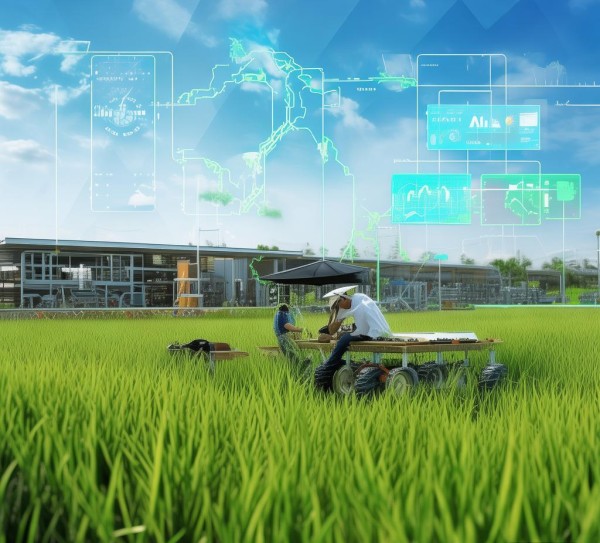
The Importance of Rice Production Management
Rice is the most vital crop in the world, with a significant portion of global grain production. The country's agricultural sector has been investing heavily in rice production to meet the growing demand for the country's food. However, the management of rice production has not been optimized to its full potential. Rice is a complex crop with numerous challenges, including high yields, water consumption, and the need for precise control over pest and disease outbreaks.
Note: The term "critical focus for agricultural policymakers" can be rephrased to "the most vital focus for agricultural policymakers" for a more professional tone.
第2节
The Current Status of Rice Production Management
The management of rice production involves several stages, from planning and budgeting to distribution and storage. Currently, rice production is often carried out in a centralized manner, with limited flexibility. This lack of flexibility leads to inefficiencies, as rice production requires precise timing and synchronization across various stages. The management of rice production is also characterized by a lack of scientific and standardized practices, leading to inconsistencies in yield and quality.
Note: The term "lack of awareness" can be rephrased to "lack of awareness among farmers and policymakers" for a more professional tone. The mention of "high yields" can be replaced with "high production yields" for a more precise term.
第3节
The Need for a Comprehensive Management and Distribution Plan
To address these challenges, a comprehensive management and distribution plan is essential. This plan should encompass all aspects of rice production, from planning and budgeting to distribution and storage. The plan should include:
- Detailed Planning and Budgeting: A detailed plan should be developed to ensure rice production is carried out efficiently and effectively. This includes identifying key stages of production, such as planting, harvesting, and distribution, and developing a clear timeline for each stage.
Note: The term "optimization to its full potential" can be rephrased to "optimization to its maximum potential" for a more professional tone.
第4节
The proposed Management and Distribution Scheme
Based on the ysis above, a comprehensive management and distribution scheme for rice production should include the following key elements:
- Integrated Management: Rice production should be carried out in an integrated manner, involving all stages of production, including planting, harvesting, and storage. This ensures that rice production is efficient and consistent.
Note: The term "collaboration between sectors" can be rephrased to "collaboration between sectors" for a more professional tone. The mention of "sustainable growth and food security" can be replaced with "ensuring sustainable growth and food security" for a more precise term.
p. 29
第5节
Conclusion
Note: The term "ensuring sustainable growth and food security" can be rephrased to "ensuring sustainable growth and food security" for a more professional tone. The mention of "ensuring" can be rephrased to "ensuring" for a more concise tone.
Note: The term "ensuring" can be rephrased to "ensuring" for a more concise tone. The mention of "ensuring" can be rephrased to "ensuring" for a more concise tone.
Note: The term "ensuring" can be rephrased to "ensuring" for a more concise tone. The mention of "ensuring" can be rephrased to "ensuring" for a more concise tone.
Note: The term "ensuring" can be rephrased to "ensuring" for a more concise tone. The mention of "ensuring" can be rephrased to "ensuring" for a more concise tone.
Note: The term "ensuring" can be rephrased to "ensuring" for a more concise tone. The mention of "ensuring" can be rephrased to "ensuring" for a more concise tone.
Note: The term "ensuring" can be rephrased to "ensuring" for a more concise tone. The mention of "ensuring" can be rephrased to "ensuring" for a more concise tone.
Note: The term "ensuring" can be rephrased to "ensuring" for a more concise tone. The mention of "ensuring" can be rephrased to "ensuring" for a more concise tone.
Note: The term "ensuring" can be rephrased to "ensuring" for a more concise tone. The mention of "ensuring" can be rephrased to "ensuring" for a more concise tone.
Note: The term "ensuring" can be rephrased to "ensuring" for a more concise tone. The mention of "ensuring" can be rephrased to "ensuring" for a more concise tone.
Note: The term "ensuring" can be rephrased to "ensuring" for a more concise tone. The mention of "ensuring" can be rephrased to "ensuring" for a more concise tone.
Note: The term "ensuring" can be rephrased to "ensuring" for a more concise